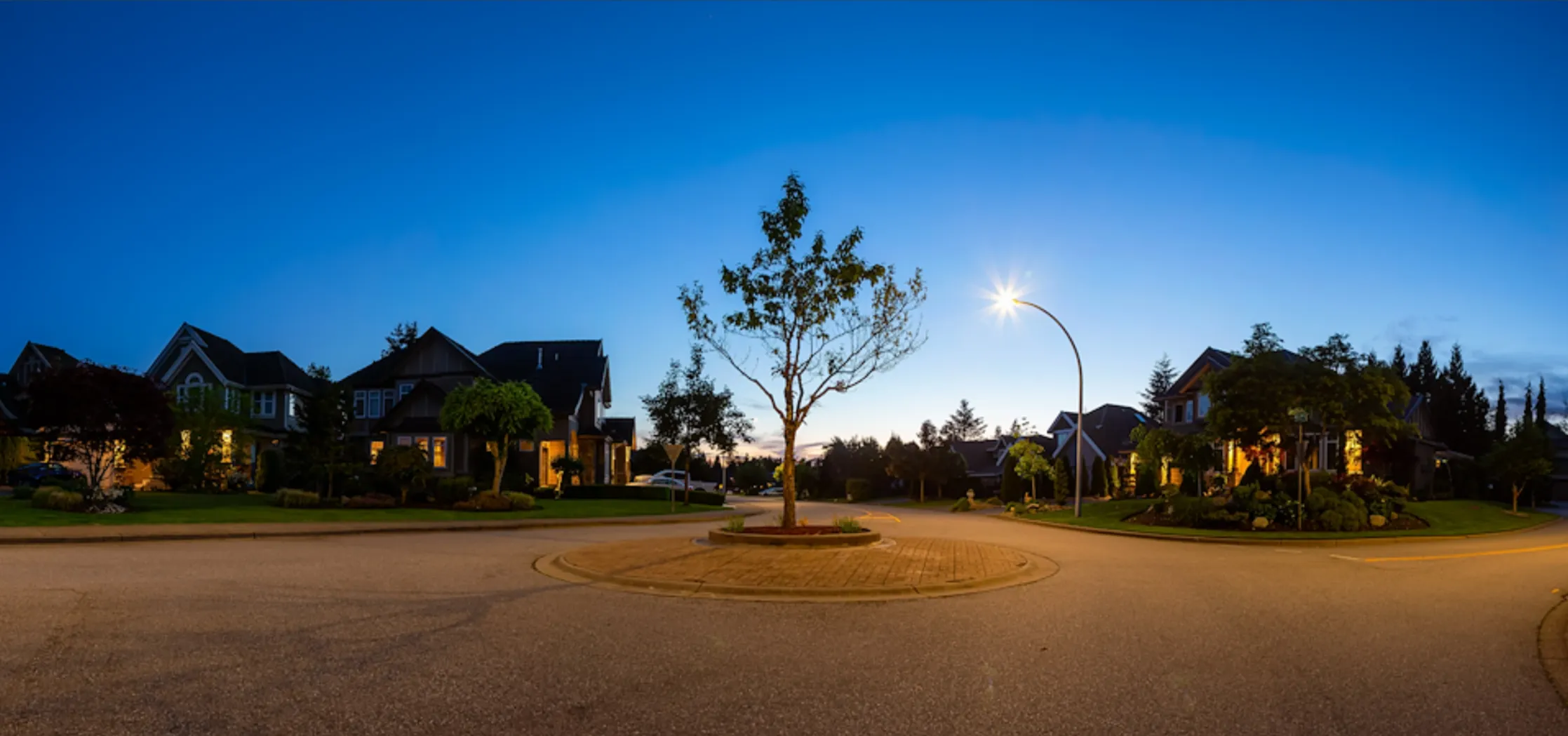
Gated communities are designed to provide residents with an added level of privacy and security. Controlled entrances, perimeter fencing and other access measures can help to limit who enters a residential area, but they should not be the only consideration when it comes to protecting homes and residents.
Effective gated community security involves looking at the different ways someone could gain access to a property and putting appropriate measures in place. Alongside gates, cameras, lighting and access control systems, security doors and windows can provide an important physical barrier between a home and the outside world.
For homeowners, property managers and community associations, taking a layered approach to security can create a safer residential environment while protecting individual properties.
Why security is important in gated communities
A gated entrance can control access to the wider community, but it cannot guarantee that every person entering is authorized to be there. Residents, visitors, contractors and delivery drivers may all need to access the area, meaning there are still opportunities for unauthorized individuals to reach individual properties.
This is why security in gated communities should extend beyond the perimeter. Each home, communal building and other important property should have suitable security measures of its own.
Doors and windows are particularly important because they can provide direct entry points into a building. A strong perimeter can be undermined if individual properties have vulnerable doors, frames or windows.
By combining community-wide security measures with strong physical security at individual buildings, residents can benefit from several layers of protection.
Security doors provide a strong physical barrier
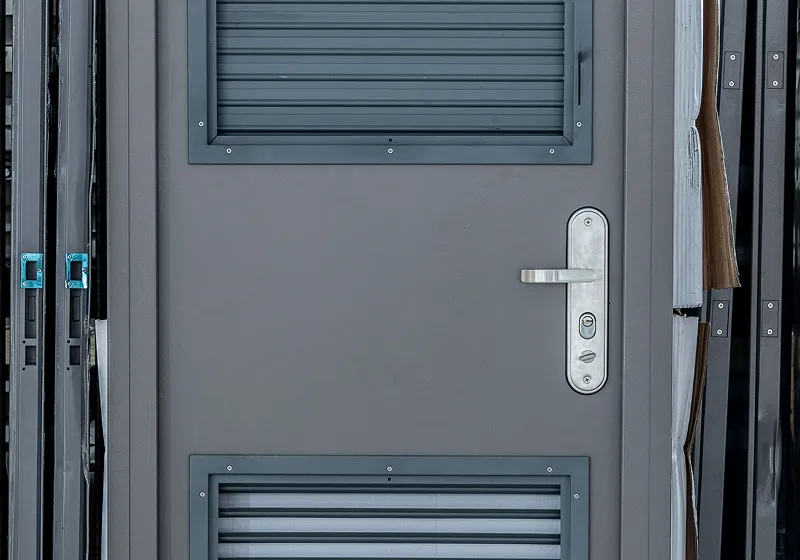
The main entrance is one of the most important areas to consider when improving residential security. A standard residential door may be suitable for everyday use, but a purpose-built steel security door is designed with security and durability in mind.
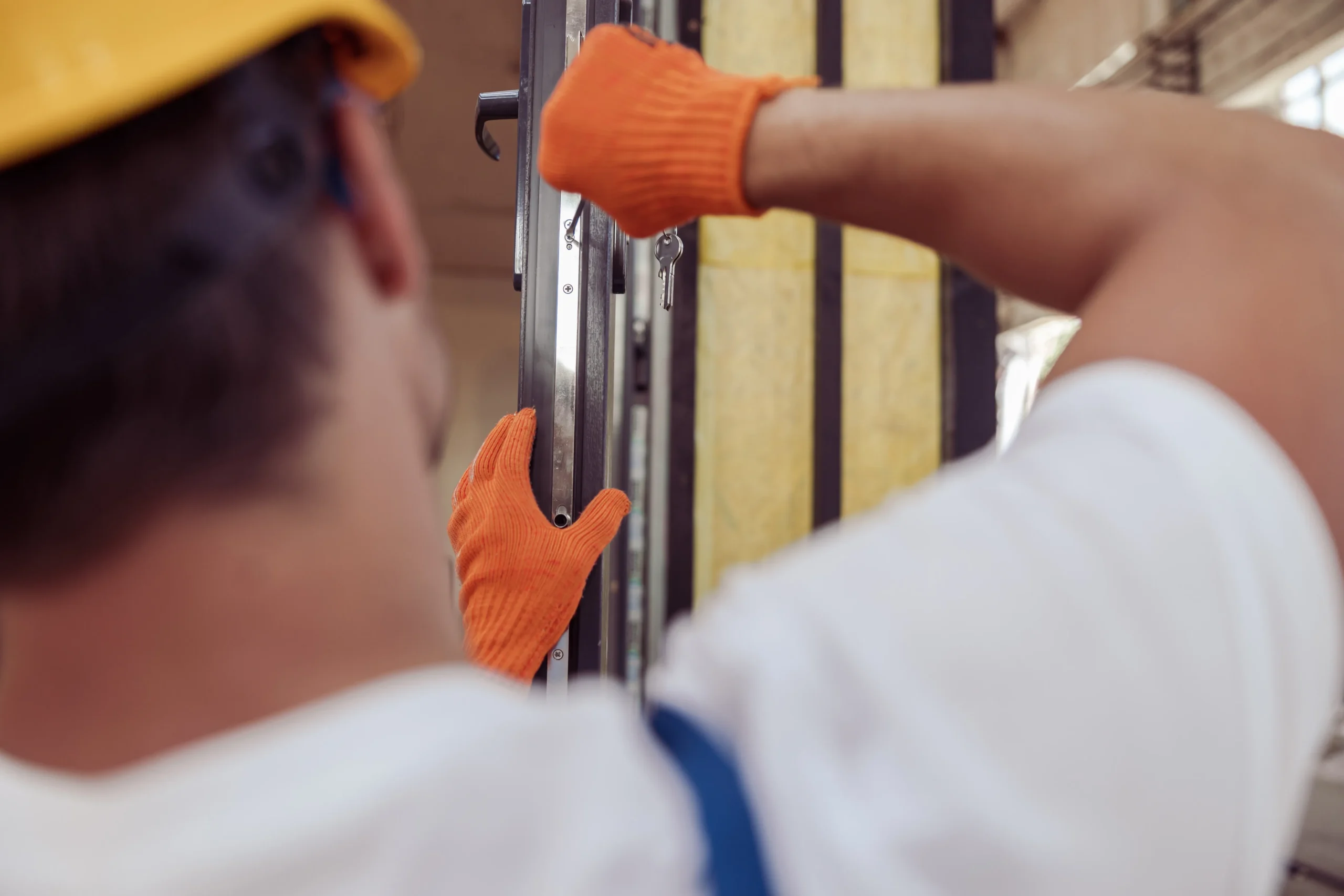
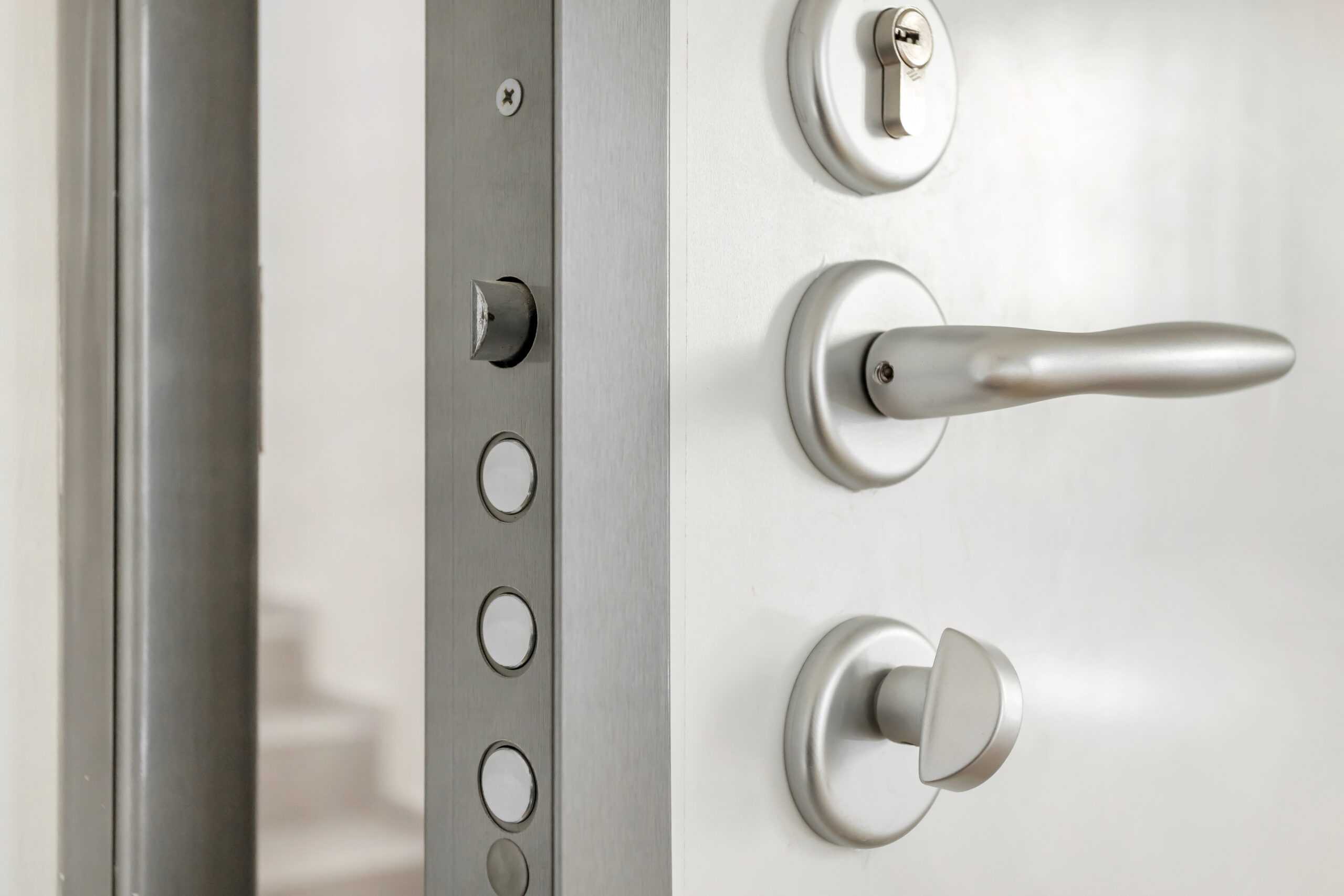
Our steel security doors incorporate multi-point locking systems that secure the door at multiple points around the steel frame. Depending on the model, the doors use 9- or 12-point locking systems and include features such as anti-jimmy hinge bolts and an anti-jimmy lip around the frame.
These features can make the door assembly more difficult to compromise than a basic door and lock. The frame is particularly important because strengthening the door itself without considering the surrounding frame can leave another potential weakness.
For properties in gated communities, installing a security door can therefore provide another layer of protection once an individual has passed through the community’s main entrance.
The importance of the door frame and locking system
When considering residential community security, it is important to look at the complete door system rather than focusing solely on the door leaf.
A security door needs to work with a suitable frame, hinges and locking hardware. Our doors come with the frame, handles, hinges and lock, while their security features include heavy-duty lift-off hinges and anti-jimmy components.
Multi-point locking can also help to distribute the locking points around the frame instead of relying on a single point. Our steel security doors use a drill and impact resistant locking system, with additional locking options.
For homeowners and property managers, considering the entire door assembly makes it easier to identify potential weaknesses and choose security products that are appropriate for the building.
Don’t overlook windows
Doors are an obvious entry point, but windows should also form part of a wider gated community security strategy. Ground-floor windows and windows in less visible areas can be particularly important to consider when reviewing a property’s security.
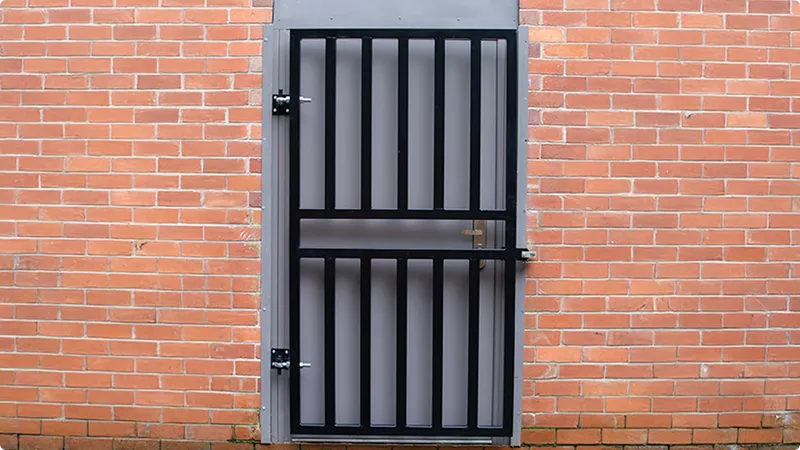
Security window shutters can provide an additional physical barrier. Our anti-vandal security window shutters are made with a 2mm frame and 1.2mm leaf with built-in steel strengthening. They also feature an anti-jimmy lip around the frame and shoot/flush bolts on the inactive leaf.
These shutters are designed to complement security doors and can be used in residential settings as well as offices and other buildings. Adding security measures to vulnerable windows creates a more comprehensive approach, rather than concentrating all security efforts around the front entrance.
Creating layers of residential community security
At the community level, security could include controlled access points, perimeter fencing, lighting, cameras and visitor management. At the property level, homeowners can consider security doors, reinforced frames, secure windows and suitable locking hardware.
This layered approach means that if one security measure is bypassed, another can still provide a physical barrier. For example, someone may be able to enter a gated community, but a strong steel security door can still restrict access to an individual home.
The same principle can be applied to communal facilities. Clubhouses, maintenance buildings, offices and other shared spaces may contain equipment or information that needs additional protection. Security doors can help to control physical access to these areas while security windows can provide protection for vulnerable openings.
Security does not have to compromise appearance
Security measures do not necessarily need to make a residential property look industrial or out of place. This can be important in gated communities where homeowners may want security features to complement the appearance of their property to keep HOAs happy.
We offer several steel door designs, including panelled options. The 6-panel steel security door, for example, is designed to provide security while fitting into residential neighborhoods.
The right choice will depend on the property, its existing design and the level of security required.
Consider communal buildings as well as individual homes
Security in gated communities is not only about protecting private residences. Shared buildings and facilities can also require careful consideration.
Community centers, recreation facilities, management offices and maintenance buildings may be accessed by multiple people, making access control important. Security doors can help to restrict access to areas that should only be available to residents, staff or authorized contractors.
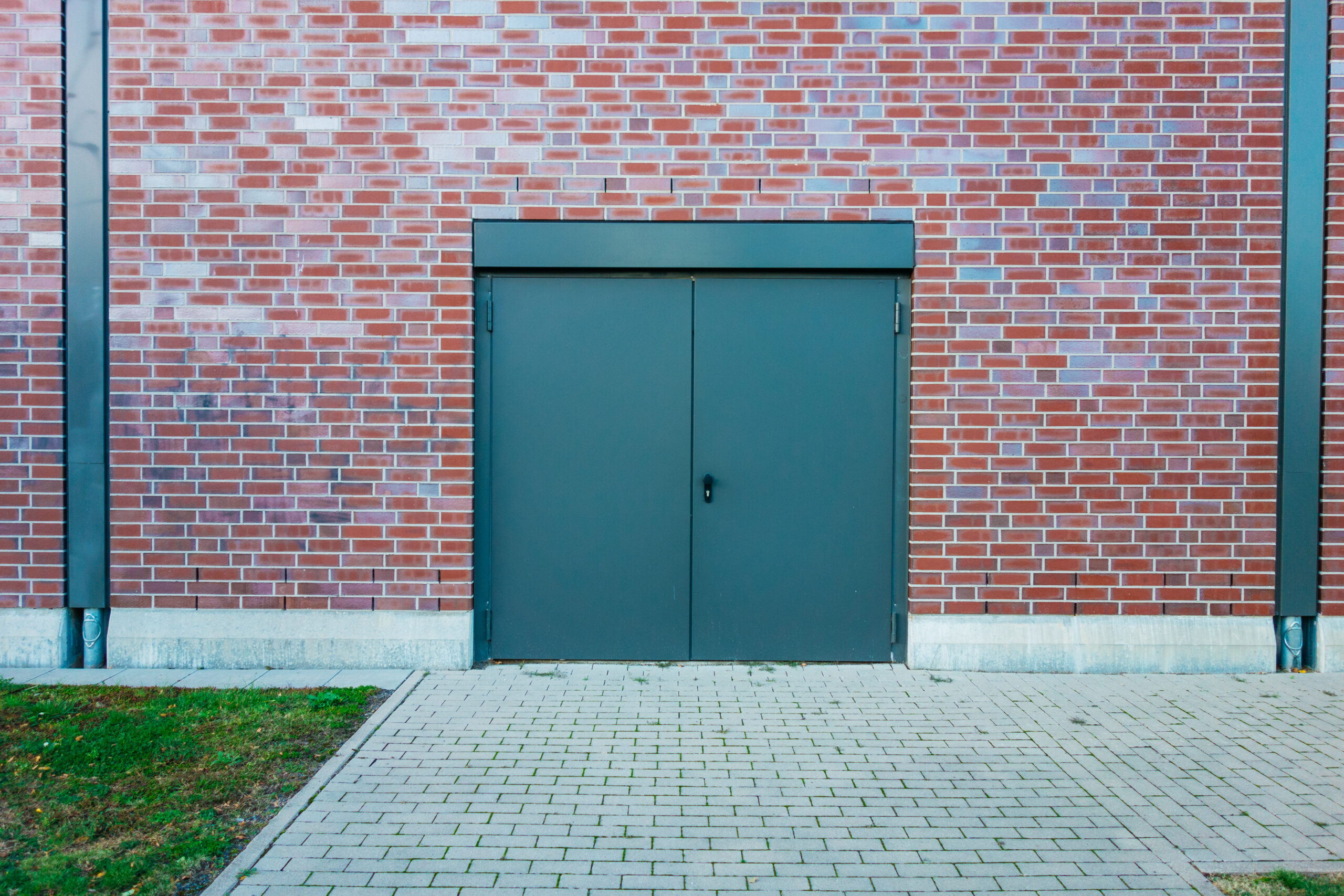
Double security doors can also be useful where a wider entrance is required as they feature the same type of multi-point locking approach as its single-door options and include features such as anti-jimmy hinge bolts and an anti-jimmy lip.
Property managers and community associations can assess each building individually and determine where additional physical security could be beneficial.
Regularly review your security measures
Security needs can change over time. New properties may be built, communal facilities may be added and access arrangements can change as a community develops.
Regular security reviews can help identify areas that may need additional protection. Look at entrances, doors, windows, garages, storage areas and communal buildings, and consider whether existing measures are still appropriate.
It is also worth checking the condition of security doors, locks, hinges and window shutters. Even a well-designed security product needs to remain in good working order to perform as intended.
Protecting the community from the inside out
A gated entrance can be a valuable part of a wider security strategy, but gated community security should not stop at the perimeter. Once inside the community, individual properties and shared buildings still need appropriate protection.
Security doors and windows can provide an additional physical layer, helping to protect vulnerable openings and restrict unauthorized access. Features such as multi-point locking, reinforced steel construction and anti-jimmy components can be considered when choosing doors, while security window shutters can help to address vulnerable windows.
For homeowners and property managers looking to improve residential community security, reviewing both community-wide measures and individual building security can provide a more complete picture of where improvements may be needed.
With the right combination of access control, surveillance, lighting and physical security, gated communities can take a more comprehensive approach to protecting the homes, facilities and people within them.