When most people think about a panic room, they think of a hidden entrance and advanced security systems. However, one component often determines whether a panic room succeeds or fails during an emergency: the door.
A panic room is only as secure as its weakest point. That’s why choosing the right steel security door should be one of the first considerations when designing a panic room or safe room. Understanding the role of security doors can help you to create a more effective refuge for your family and valuables.
Why Safe Room Doors Matter Most
Panic rooms and safe rooms are designed to protect during home invasions, severe weather events, and other security threats. According to FEMA, a properly designed safe room is a hardened structure intended to provide a very high level of protection during extreme events. FEMA guidance emphasizes that safe room doors should be rigorously tested and certified to withstand impact and extreme pressure conditions.
In a residential security scenario, a panic room door serves several important purposes:
- Prevents forced entry
- Creates a secure barrier between occupants and intruders
- Provides valuable time for law enforcement to respond
- Protects occupants while emergency services are contacted
Without a properly designed door, the effectiveness of the panic room can be significantly reduced.
Key Features of a Panic Room Security Door
Standard interior doors are typically hollow-core and offer little resistance against forced entry. For safe room doors, homeowners should consider doors that are specifically designed for high-security applications. Important features include:
Reinforced Steel Construction
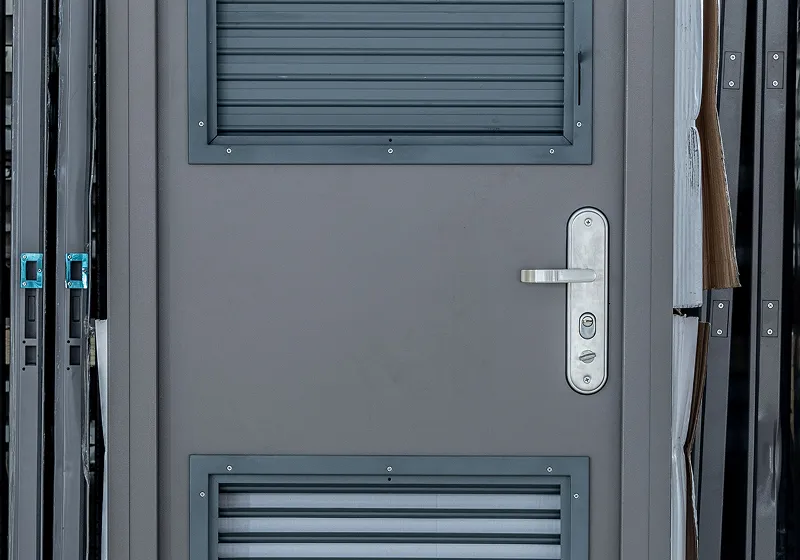
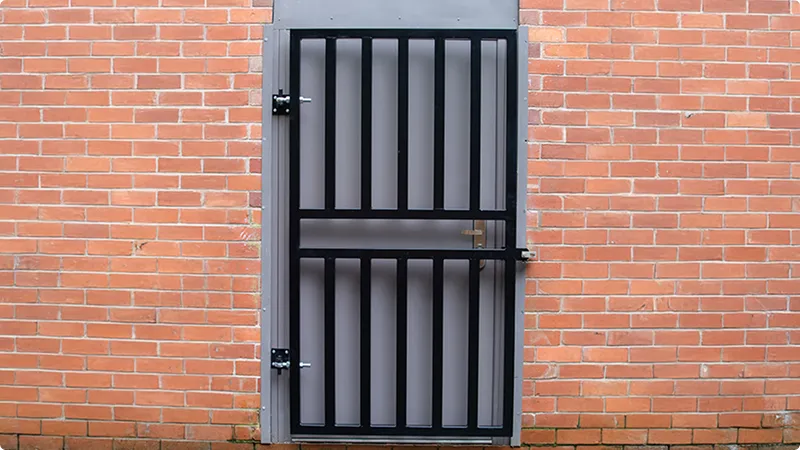
Steel remains one of the most trusted materials for panic room doors. Heavy-gauge steel construction provides exceptional resistance against kicking, prying, drilling, and other common forced-entry methods. A quality steel security door should be paired with a reinforced steel frame, as the frame is often targeted during break-in attempts.
Multi-Point Locking Systems
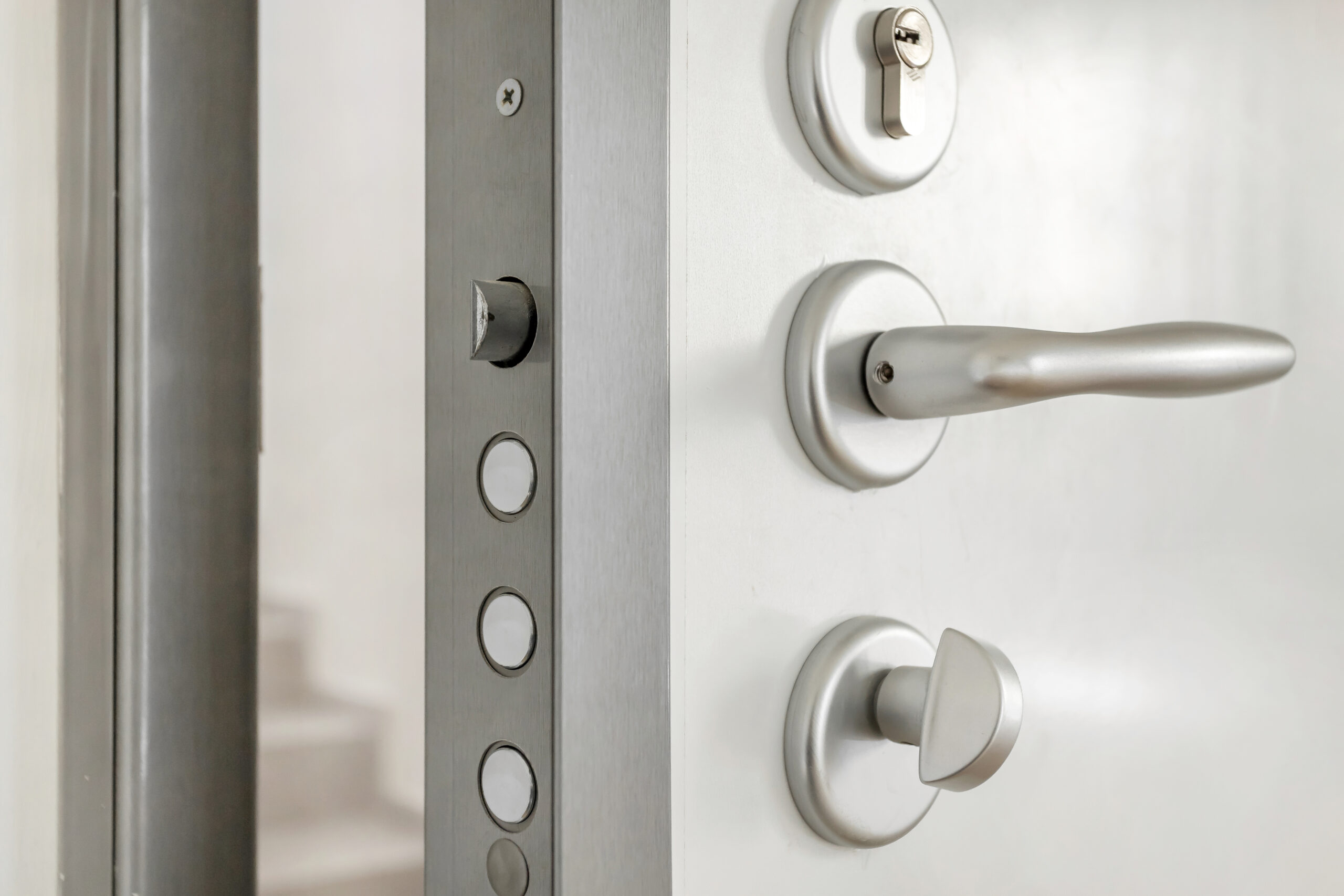
Traditional locks secure the door at a single location. Multi-point locking systems engage the door at several points along the frame, distributing force more effectively and making forced entry significantly more difficult. This added security is especially valuable for panic rooms where maximum protection is required.
Heavy-Duty Hinges
Even the strongest door can be compromised if the hinges fail. Security hinges with reinforced mounting points and tamper-resistant features help to prevent intruders from attacking the door’s weakest components.
Impact Resistance
Safe room doors designed for storm protection must withstand debris impact and extreme pressure. FEMA notes that compliant safe room doors should meet ICC 500 testing standards and be certified by approved third-party organizations.
While homeowners building a panic room for security purposes may have different requirements than those building a tornado safe room, impact-resistant construction remains a valuable feature.
Panic Room Door Ideas for Modern Homes
Many homeowners assume a panic room door must look like a bank vault. In reality, modern security solutions can blend with residential interiors. Here are some popular panic room door ideas to consider.
Decorative Steel Doors
Modern steel security doors no longer need to look industrial. Today’s designs can look like typical front doors with panel designs. This approach allows homeowners to maintain the appearance of a normal residence while benefiting from advanced protection.
Vault-Style Doors
For homeowners seeking the highest level of physical security, vault-style doors remain a popular option. These doors typically feature a thick steel construction, multiple locking bolts, reinforced frames and specialized locking mechanisms.
Vault-style doors are often chosen for panic rooms that also protect valuable collections, firearms, documents, or other high-value assets.
Building a Complete Security Strategy
A strong door in a panic room should never be your only method of protection. Many security professionals recommend including:
- Backup communication systems
- Emergency lighting
- Surveillance camera access
- Independent power sources
- Ventilation systems
- First aid supplies
- Water and emergency provisions
The goal is to create a secure environment where occupants can safely remain until help arrives. The security door acts as the first line of defense, but the overall design determines how effectively the room functions during a real emergency.
Choosing the Right Security Door for Your Panic Room
Every home has unique security requirements. The best panic room door for one property may not be the ideal solution for another. When evaluating options, homeowners should consider:
- The primary purpose of the room
- Potential threats
- Desired level of concealment
- Available installation space
- Aesthetic preferences
- Budget considerations
Working with experienced security door specialists can help to ensure the final solution is protective, functional, and aesthetically pleasing.
Whether you’re exploring panic room door ideas for home security or researching safe room door ideas for storm protection, proper protection and a strong door should never be an afterthought.
A high-quality security door provides the critical barrier that allows a panic room or safe room to perform its intended function. Investing in the right security door can help to change an ordinary room into a secure refuge, providing greater protection when it matters most.
If you have any questions or concerns when it comes to preparing residential safe rooms, please don’t hesitate to contact us.