Security doors provide reliable protection against unauthorized access, forced entry, and other security threats. However, even the strongest security door can become less effective if it is not properly maintained. Regular inspections and preventative care can help to identify problems before they become serious, extending the life of your doors.
Effective door maintenance should be an important part of your building management routine. From checking hinges and locks to inspecting frames and hardware, small maintenance tasks can make a significant difference to the security and functionality of your doors.
Why Is Security Door Maintenance Important?
Security doors are often used in high-traffic areas and are regularly exposed to physical wear and tear. Every time a door is opened and closed, its hinges, locks, closers and handles move. Over time, these parts can become loose, worn, or damaged.
Without regular maintenance, a small issue can quickly develop into a larger problem. A door that no longer closes correctly, for example, could leave a building vulnerable to unauthorized access. Similarly, a damaged lock or faulty closer could prevent a door from functioning as it should in an emergency.
Regular door maintenance can help to:
- Keep security doors operating smoothly
- Identify worn or damaged components
- Prevent minor problems from becoming costly repairs
- Extend the lifespan of doors and hardware
- Maintain effective access control
- Reduce the risk of unauthorized entry
- Ensure doors close and lock correctly
- Maintain the overall appearance of the property
Maintenance is especially important for doors that are used frequently. A security door at the entrance to a busy commercial building may experience hundreds of opening and closing cycles every day, while an industrial facility may have doors exposed to heavy equipment, dust, moisture, and other demanding conditions.
What Should Be Included in Door Maintenance?
The exact maintenance requirements for a security door will depend on its design, location, frequency of use, and the type of hardware installed. However, several key areas should be checked as part of a routine maintenance program.
Inspect the Door and Frame
The door leaf and frame should be checked regularly for visible signs of damage, corrosion, warping, or deterioration. Even a strong security door can be affected by environmental conditions or accidental impact.
Look for dents, cracks, gaps, or other damage that could affect how the door operates. The frame should also be inspected to make sure it remains securely fixed and aligned.
Pay particular attention to the area around the hinges and locking points. If the door or frame has shifted, it may become difficult to close properly or may not engage with the locking mechanism as intended.
Check Hinges
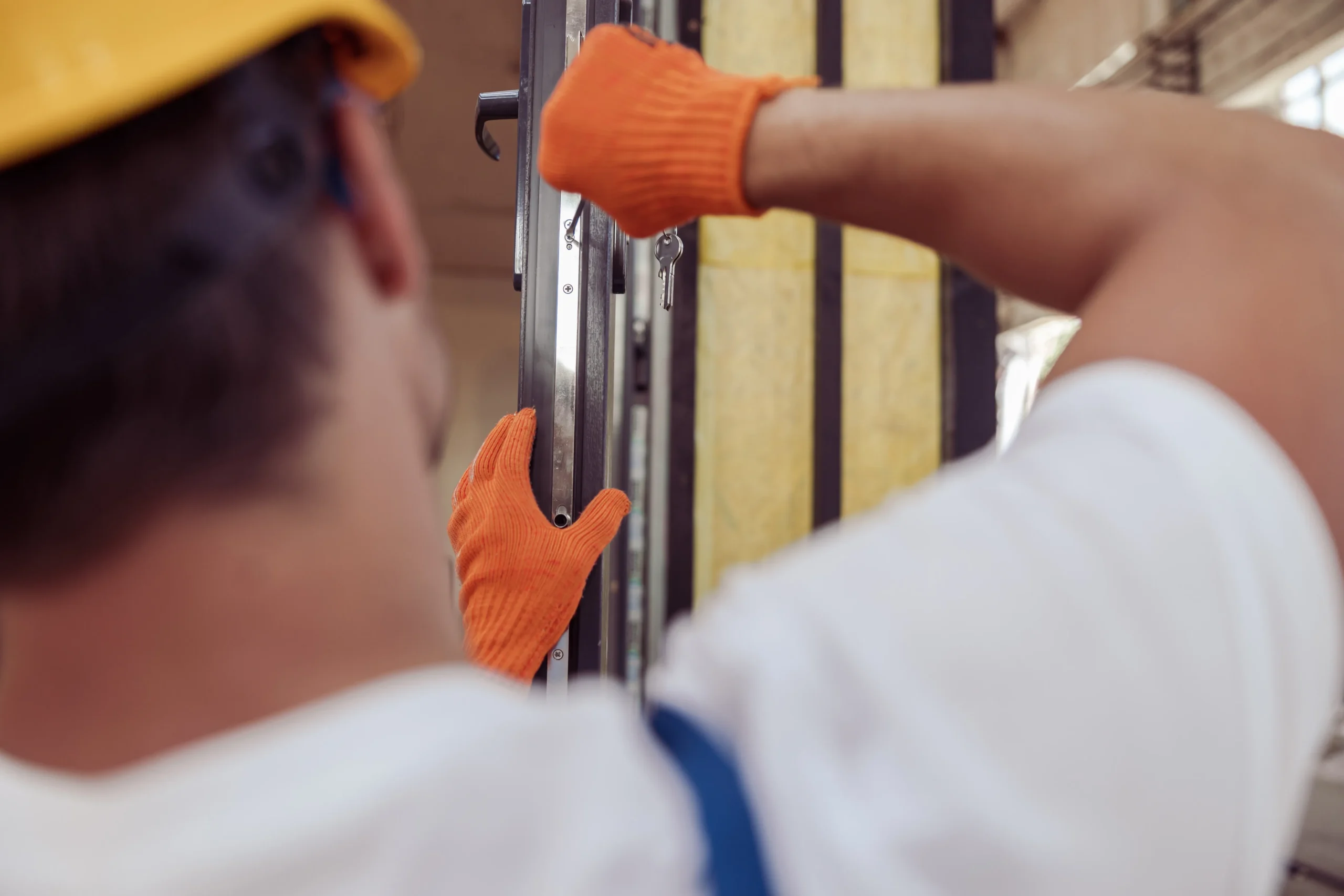
Hinges play an important role in the smooth operation of a security door. If they become loose, damaged, or excessively worn, the door may begin to sag or become misaligned.
During routine door maintenance, check that hinges are securely attached and that the door opens and closes smoothly. Depending on the hinge type and manufacturer’s recommendations, lubrication may also be required.
If a hinge is damaged or showing significant signs of wear, it should be repaired or replaced promptly rather than allowing the problem to worsen.
Examine Locks and Access Control Hardware
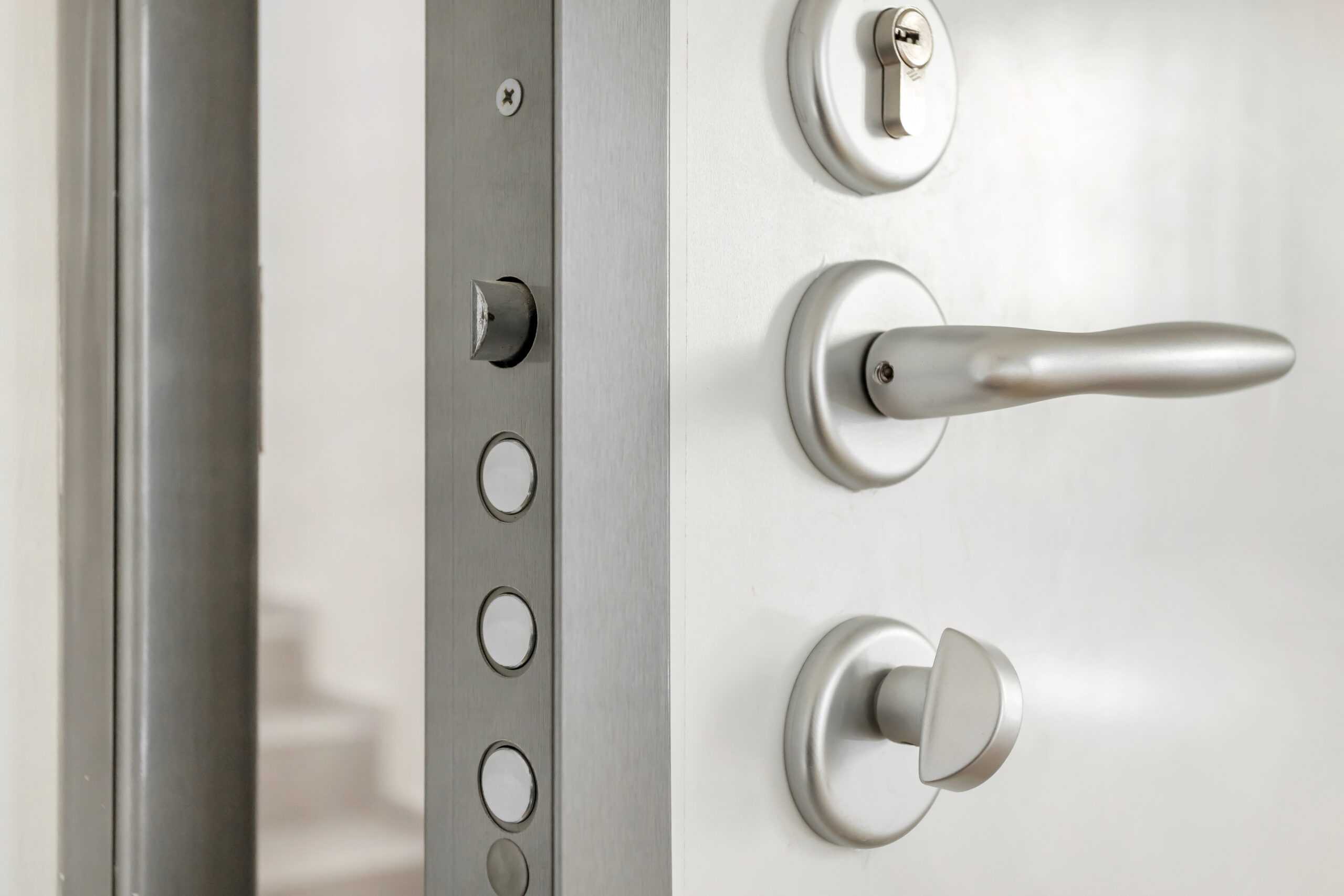
The locking mechanism is one of the most important components of a security door. Locks should be checked to ensure they engage correctly and operate smoothly.
For doors with electronic access control systems, inspect keypads, card readers, electronic locks, and other components for signs of damage or malfunction. It is also important to check that authorized users can gain access as intended while unauthorized individuals remain unable to enter.
Any unusual noises, resistance, or difficulty when locking or unlocking a door should be investigated. These can be early signs of a problem with the lock or the door’s alignment.
Test Door Closers
Door closers help to ensure that a door returns to the closed position after being opened. This is particularly important for security doors, as a door that remains open could compromise the security of a building.
Check that the door closes fully and consistently without slamming excessively or failing to latch. If the closer is leaking fluid, making unusual noises, or no longer controlling the door properly, it may require adjustment or replacement.
Inspect Handles and Other Hardware
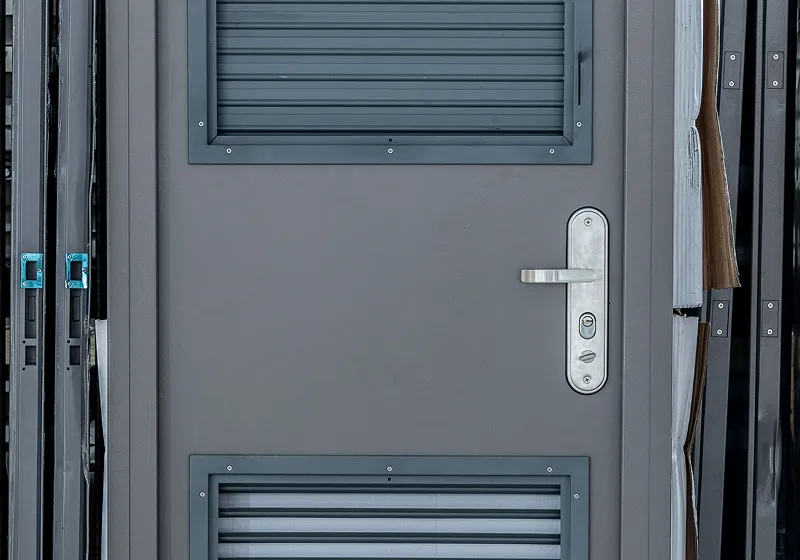
Handles, push bars, panic hardware, and other door hardware should also be checked regularly. These components can experience significant use, particularly in busy buildings.
Make sure handles are securely fixed and operate correctly. Emergency exit hardware should be tested to ensure it functions as intended and is not obstructed or damaged.
If a component feels loose or difficult to operate, it should be inspected before it develops into a more serious issue.
Commercial Door Maintenance
Businesses rely on security doors to protect employees, customers, equipment, stock, and sensitive information. As a result, commercial door maintenance should be treated as an important part of a property’s overall security strategy.
Commercial buildings often have multiple entrances and exits, meaning there may be a large number of doors that require regular inspection. Some may be used continuously throughout the working day, while others may only be accessed by authorized employees.
A commercial door maintenance schedule should take into account the amount of traffic each door receives. High-use doors may require more frequent inspections than those that are rarely opened.
Businesses should also consider the consequences of a door failure. If an entrance becomes difficult to use, it could disrupt employees and visitors. If a security door cannot lock correctly, it could create an immediate security concern.
Keeping maintenance records can also be useful. Documenting inspections, repairs, and replacements allows property managers to identify recurring problems and establish an appropriate maintenance schedule.
Industrial Door Maintenance
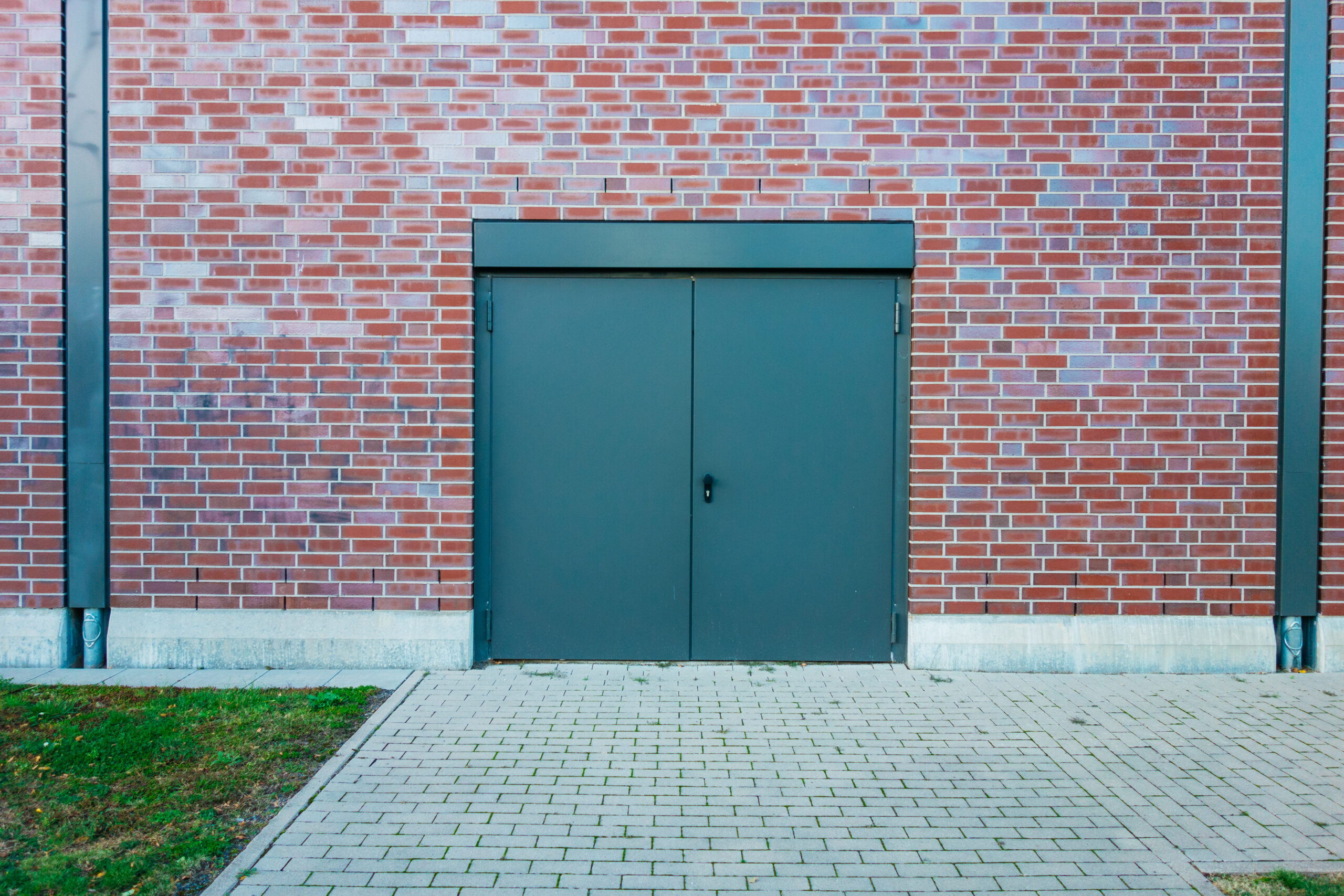
Industrial environments can place particularly demanding requirements on security doors. Warehouses, manufacturing facilities, distribution centers, and other industrial buildings may expose doors to heavy traffic, machinery, dust, chemicals, temperature changes, and accidental impacts.
As a result, industrial door maintenance should be tailored to the conditions in which the door operates.
For example, doors located near loading areas may be more likely to experience accidental impacts from forklifts or other equipment. Doors in dusty environments may require more frequent cleaning and inspection, while those exposed to moisture may need additional attention to prevent corrosion.
Industrial facilities should pay close attention to:
- Damage caused by vehicles or machinery
- Corrosion and environmental deterioration
- Loose or damaged hardware
- Door alignment
- Locking mechanisms
- Hinges and closers
- Access control systems
- The condition of frames and fixings
A small fault in an industrial environment can quickly become a major operational problem. Regular inspections can help identify issues early and reduce unexpected downtime.
How Often Should Security Doors Be Maintained?
There is no single maintenance schedule that is suitable for every security door. The ideal frequency will depend on the door’s usage, location, construction, and manufacturer’s recommendations.
As a general approach, security doors should be visually inspected regularly for obvious signs of damage or malfunction. More thorough maintenance should be carried out at appropriate intervals based on the conditions in which the door is used.
High-traffic commercial and industrial doors may require more frequent checks than doors in low-use areas. Similarly, doors exposed to harsh environments may need additional maintenance to prevent corrosion and deterioration.
It is also important to carry out an inspection whenever a problem is noticed. If a door suddenly becomes difficult to open, does not close properly, or makes an unusual noise, do not wait until the next scheduled maintenance check to investigate it.
Signs Your Security Door Needs Maintenance
Some warning signs are easy to overlook, but they can indicate that a security door requires attention. These may include:
- The door is difficult to open or close
- The door does not close fully
- The lock does not engage correctly
- Hinges are noisy or visibly damaged
- The door appears to be sagging
- Handles or other hardware are loose
- There are visible cracks, dents, or corrosion
- The door closer is no longer working correctly
- Access control equipment is malfunctioning
- The door or frame appears misaligned
If you notice any of these issues, arranging an inspection as soon as possible can help prevent further damage and maintain the security of the property.
Should You Repair or Replace a Security Door?
Routine door maintenance can help to extend the service life of a security door, but there may come a point when repairs are no longer the most practical option.
If a door has suffered significant structural damage, has extensive corrosion, or has repeatedly developed the same problems, replacement may be worth considering. The same applies if the door no longer meets the security requirements of the property.
When evaluating whether to repair or replace a security door, consider its overall condition, age, performance, and the cost of ongoing repairs. It is also worth considering whether your security needs have changed since the door was originally installed.
A professional assessment can determine whether maintenance or replacement is the best course of action.
Keep Your Security Doors in Top Condition
Security doors are an important part of protecting commercial and industrial properties, but they need regular care to continue performing effectively. From checking locks and hinges to inspecting frames, closers, and access control systems, a proactive approach to door maintenance can help to prevent problems and extend the life of your security doors.