For certain building materials, including fire doors and certain security doors, the term, ‘fire rated,’ is bandied around often, though what this means and how essential fire rating classifications are to complying with building regulations and public safety is rarely fully explained. According to the National Fire Protection Association (NFPA), the United States averages around 500,000 structural fires each year over the past decade, a 42% drop from the average in the 1980s.
Fire ratings, in combination with fire alarms and other safety precautions, have been partially responsible for this drop, so understanding what the term means and its importance in fire safety is a must for those choosing a door to fire-proof their premises.

The Definition of ‘Fire Rated’
Fire ratings classify materials by their ability to support and propagate fire and indicate how much smoke is produced when the material is exposed, which is measured via a flame spread index.
The Flame Spread Index
The flame spread index is a numerical value normally obtained by testing the materials’ overall reaction to a ten minute tunnel test. All fire rating classifications end up with a flame spread index range assigned to them. The NFPA outlines fire resistant building construction requirements, and certain tests facilitate in identifying a building’s fire safety risks and needs based on the fire rating of its materials.
Why Fire Resistance Ratings Are Important
Protecting life is the most crucial reason why fire ratings and classifications are used all over the world. As well as providing an indication of how long they have to escape a building before the fire spreads, they also create safer conditions for firefighters and other emergency personnel entering the building. Fire resistance rated materials also help in maintaining a building’s structural integrity, ensuring it remains intact for as long as possible and contains the fire to its area of origin for one to three hours.
U.S. building codes such as the International Building Code mandate fire resistance ratings for particular building elements based on factors such as the building type, its occupancy, and structural elements such as height and square footage. Fire rating classifications are therefore essential for ensuring legal requirements are met. Ratings will often be checked during permitting and inspections.
Why Fire Ratings Are Important For Doors
Doors play a fundamental role in ensuring that fires are controlled and contained. Fire-rated doors are manufactured specifically to withstand the passage of flames, heat, and smoke for a specific period ranging from 20 to 180 minutes. By blocking the progression of the blaze, fire doors help to compartmentalize a building, keeping the fire contained in one area and slowing the spread to other zones right down.
Doors positioned along corridors, stairwells, and exits are required to have a fire-ratings to ensure safe escape in the event of a fire. And they don’t just protect people, flame resistant doors are used to safeguard server rooms, storage for flammable materials, hospital operating rooms, and industrial facilities. In doing this they help to prevent structural damage to buildings and potentially devastating human tragedy.
Fire Resistance Tests: The Process
The American Society for Testing and Materials currently recognizes the ASTM E84 and the ASTM E119 tests that help measure a material’s fire rating. Similar tests such as those by the NFPA and the Underwriters Laboratories (UL) were also developed to help create national and international standards for building safety.
The ASTM E84
Also known as the Steiner Tunnel Test, this measures the fire-resistance characteristics of various building materials by applying fire exposure to the material in an area with a controlled airflow and assessing its reaction to an active flame. The measurements which determine the fire resistance rating include how quickly the flame progresses, how much smoke develops, and the temperature reached over time. Following the test, materials are categorized into one of three classes determined by the IBC based on how swiftly a fire would spread and the amount of smoke that would develop. For example the best fire rating classification would be Class A (or Class 1) with an Flame Spread Index of between 0 and 25. Hospital buildings are an example of premises that usually require Class A ratings.
The ASTM E119
The ASTM E119 differs in that it is a time-based test which identifies how long a structural component can withstand a fire. The component can include a wall, door or column and the aim is to observe for how long it can maintain its structural integrity while exposed to to a flame and protecting the rest of the property. The results of this test are measured in hours, therefore a one hour rating would mean a structure could withstand exposure to fire for up to an hour.
Our Fire Doors
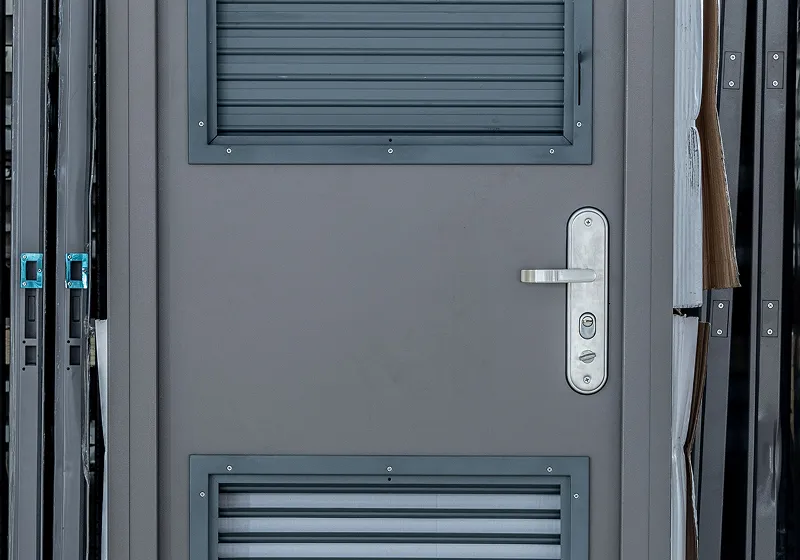
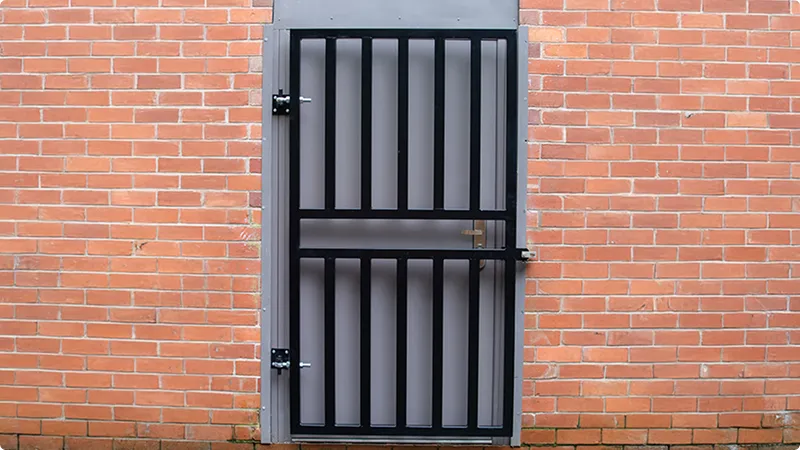
At Doors4Security our fire exit doors are meticulously crafted with the highest quality materials to facilitate safe escape during a fire. With a range of choices in terms of sizing and the optional addition of a panic bar, they can be installed in many facilities and help protect your house or building from flames, heat transfer, smoke and other hazards that can pose a danger during a fire.
To learn more about our fire doors, steel security doors or our other products, please don’t hesitate to get in touch.